
The Best Books on Neuroplastic Pain (and How to Use Them)
Quick Answer
The best books on neuroplastic pain are The Way Out by Alan Gordon, Unlearn Your Pain by Dr. Howard Schubiner, Healing Back Pain by Dr. John Sarno, and Pain Free You by Dan Buglio. They all teach that chronic pain can be a learned brain pattern the brain can unlearn. They differ in tone and structure, and they share one weakness: they end. Here is what each teaches, who it is for, and what to do after the last page.
Reading the book was the easy part
If you found your way here, you've probably read at least one of these. Maybe the pain backed off while you were reading, then crept back once the book closed. That's not failure. A brain pattern built over years doesn't unlearn in the few weeks a book holds your attention.
Your pain is real. Every book on this page agrees on that, and so do we. These aren't reviews telling you whether to buy them. They're a guide to what each one teaches, and to the part that matters most: what it takes to keep the method working after you finish.
The best books on neuroplastic pain, and who each is for
There are four books most people land on, and they overlap more than they compete. They all say the same core thing. Your pain is real, and it can be a learned brain pattern the brain can also unlearn.
The Way Out by Alan Gordon is the warmest, and the best place to start. It explains Pain Reprocessing Therapy and the core technique, somatic tracking, through stories, and it's the book behind the Boulder study where two thirds of people became pain free or nearly so. Best for someone new to the idea who wants the why and the how in plain language.
Unlearn Your Pain by Dr. Howard Schubiner is the most structured. It's a workbook with a 28-day program built on Emotional Awareness and Expression Therapy. Best for the person who wants a step-by-step plan and doesn't mind doing the writing.
Healing Back Pain by Dr. John Sarno is the original. It's the book that started the field and the one most people read first, even though it's light on day-to-day practice. Best for understanding where these ideas came from, and for the reader who responds to a clear, confident explanation.
Pain Free You by Dan Buglio is the simplest and gentlest of the four. Buglio is a coach who recovered from years of back pain, and his message is one idea repeated daily: your brain can learn it's safe. Best for someone who wants it stripped to the core and said kindly.
Those four are the most widely read, but they're part of a bigger shelf. Sarno wrote more, including The Mindbody Prescription and The Divided Mind. Steve Ozanich's The Great Pain Deception has a devoted following. They all grew from the same root idea, now called neuroplastic pain: pain the nervous system learned, and can unlearn.
The books, and how to apply them
Four books, four doors into the same method.
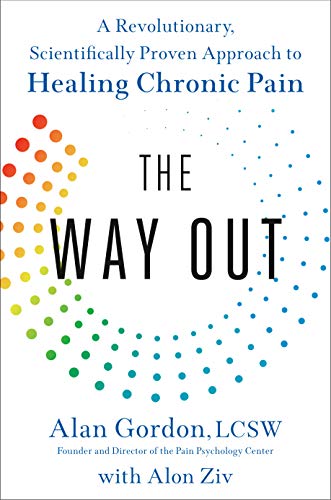
The Way Out (Gordon)
How somatic tracking works, and what to do when it stalls.
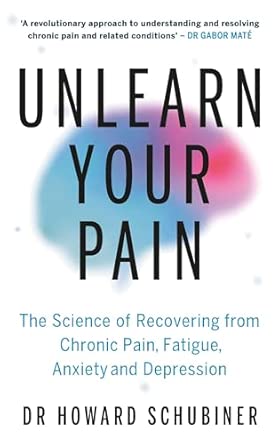
Unlearn Your Pain (Schubiner)
The 28-day program, the science behind it, and what your brain needs after day 28.
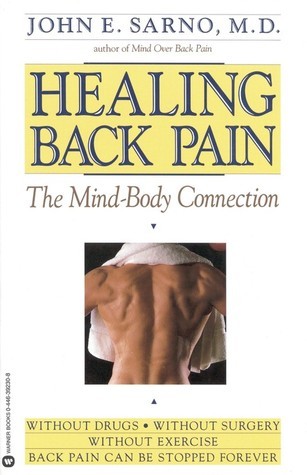
Healing Back Pain (Sarno)
What TMS gets right, and why you still hurt after reading it.
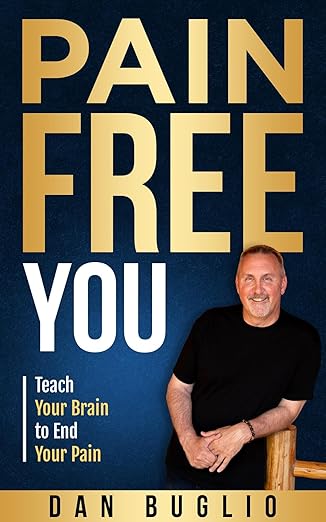
Pain Free You (Buglio)
The safety message, and why feeling safe is the hard part.
The best book for your situation
If your main problem is back pain, The Way Out, Healing Back Pain, and Pain Free You all center on it, and the Boulder trial behind The Way Out was a back-pain study. Any of them is a strong start.
If you have fibromyalgia, Unlearn Your Pain fits best. Dr. Schubiner's emotion-focused approach has the strongest fibromyalgia evidence of the four.
If your pain is something like TMJ, migraine, IBS, or the physical symptoms of anxiety, any of them still applies. They aren't really about a body part. They're about a nervous system that learned an alarm, which is why the same method shows up across so many conditions.
And if you've already read one and still hurt, that's the most common story of all. The book did its job. The missing piece is usually daily practice, not another book.
Which one should you read first?
If you want one answer: start with The Way Out. It's the easiest read and the most practical. If you like a workbook and a clear plan, go with Unlearn Your Pain. If you want to understand the roots, or someone handed you Healing Back Pain, start there. And if you want the simplest, gentlest version, Pain Free You is a kind place to begin.
There's no wrong door. The books agree far more than they differ, and the one that clicks for you is the right one. What matters more than which book you pick is what you do after the last page. That's the part a book can't do with you, and it's the part that actually changes the pain.
The people behind the books
These books carry weight because of who wrote them. Dr. John Sarno was a professor of rehabilitation medicine at NYU who first argued, decades ago, that much chronic pain is generated by the brain. Alan Gordon built on that idea to create Pain Reprocessing Therapy and ran the trial that tested it. Dr. Howard Schubiner turned it into a structured, research-backed program. And Dan Buglio, a coach who recovered from years of pain, made the message simple enough to practice every day. Different people, one idea, tested and refined across forty years.
Could your pain be neuroplastic?
Your pain is real. Take a free 2-minute test to understand your pain patterns and explore your next step.
Take the free pain testSee your result straight away.
Founder, PainApp
Founder of PainApp. Writes about neuroplastic pain, Pain Reprocessing Therapy, and nervous system retraining. 3+ years researching chronic pain recovery.
Frequently Asked Questions
For most people, The Way Out by Alan Gordon is the best starting point. It's warm, practical, and built on the Boulder study. Unlearn Your Pain by Dr. Howard Schubiner is the best structured workbook, Healing Back Pain by Dr. John Sarno is the original that started the field, and Pain Free You by Dan Buglio is the simplest and most encouraging. They overlap heavily, so the best one is the one that clicks for you.
It depends on how you think. Some people want the science and a daily program, others want the story and the why. The approaches overlap heavily, so there's no wrong door. What matters more is keeping up the practice after you finish.
For back pain, Healing Back Pain by Sarno and The Way Out by Gordon both fit, and the Boulder study behind The Way Out was a back-pain trial. For fibromyalgia, Unlearn Your Pain by Schubiner fits best, since his emotion-focused therapy has the strongest fibromyalgia evidence.
Healing Back Pain by Dr. John Sarno, since Sarno coined the term Tension Myositis Syndrome. For the modern, research-backed version of the same idea, The Way Out and Unlearn Your Pain are closer to current practice. They all describe what science now calls neuroplastic pain.
They do different jobs. A book gives you the understanding, and that matters, since conviction is part of recovery. An app gives you the daily practice and keeps you going after the book ends, which is where most people stall. Many people find a book plus a daily practice works better than either alone.
Most people do well starting with The Way Out, adding Unlearn Your Pain if they want a structured program, and reading Healing Back Pain for the roots. You don't need all of them. One book you actually act on beats four you only read.
Common, and not failure. A book gives you the method and usually a short program. A pattern your brain ran for years needs ongoing practice. The relief you felt while reading is proof the method reaches your pain.
Yes. Sarno wrote more, including The Mindbody Prescription, and books like The Great Pain Deception by Steve Ozanich have a strong following. The four here are the most widely read starting points, and they share the same core idea that pain can be a learned, reversible brain pattern.
Yes. Keep working with your clinician, especially to rule out anything structural or dangerous first. These approaches sit alongside medical care, not instead of it.
Medical Disclaimer: This content is for informational purposes only and does not constitute medical advice, diagnosis, or treatment. Always consult with a qualified healthcare provider about your specific condition. Pain is real regardless of its source. Neuroplastic pain is a legitimate medical phenomenon, not a suggestion that pain is imaginary. If you are in crisis, contact FindAHelpline.com for immediate support.